90th anniversary

Spark Plug

Automotive Parts
  • #Niterra Co., Ltd.
  • #NGK

Overview

In internal combustion engines, such as engines, this device acts like a "lighter," electrically igniting the mixture of gasoline and air.

Our spark plugs were the first domestically produced in Japan, and now we hold the No. 1 market share worldwide. They play a crucial role in running an engine; without them, a car cannot run. Our unique ceramic technology enables them to withstand the harsh environment inside an engine and improves fuel efficiency. By improving fuel efficiency, we also contribute to environmental protection by reducing CO₂ emissions.
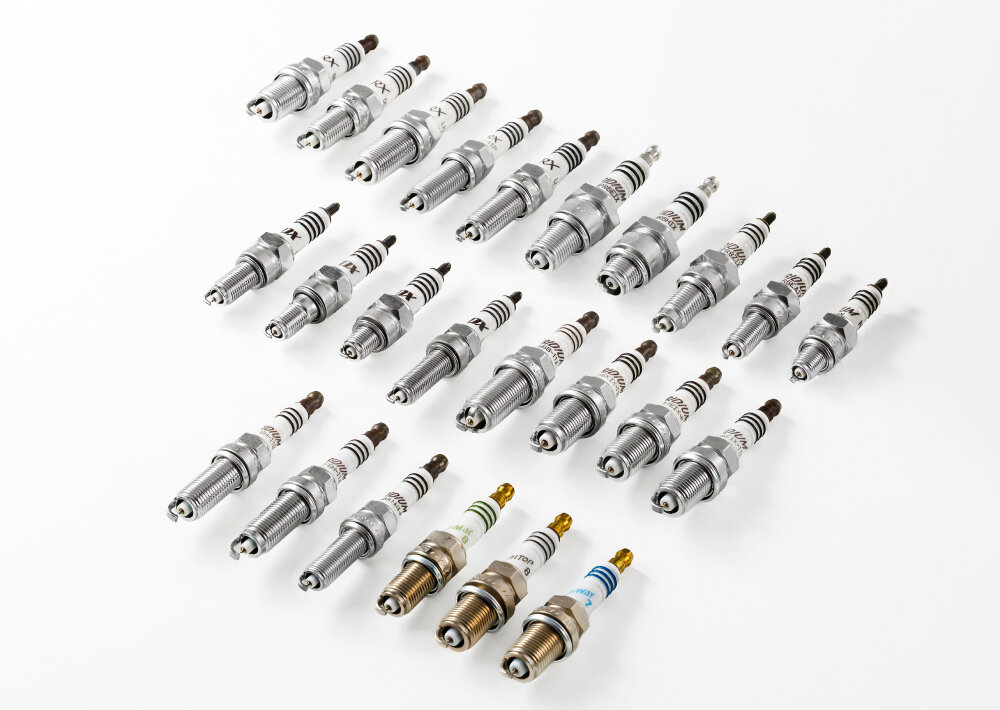
Spark Plug

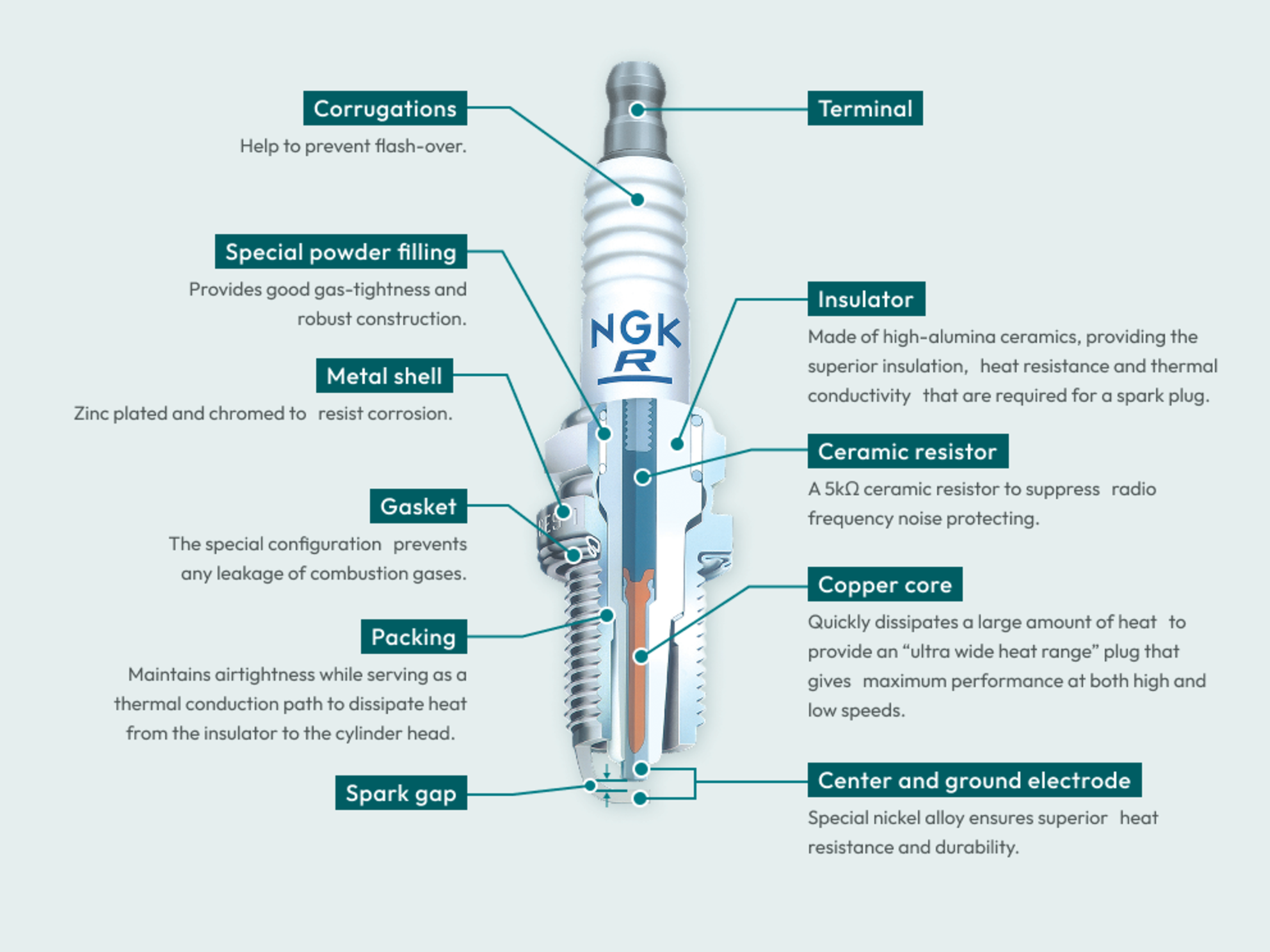
Basic structure of NGK spark plugs

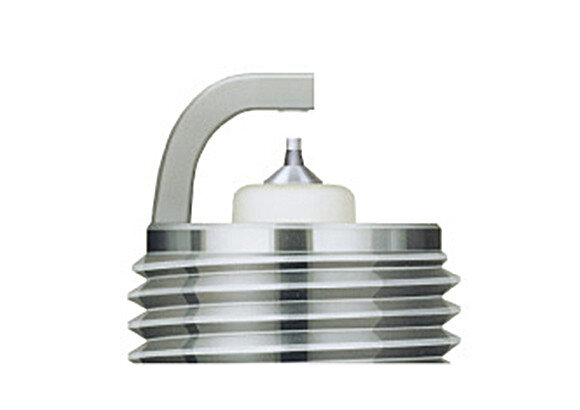
The cross-sectional diagram of the spark plug shows the names and explanations of each part. Corrugation: Folds are added to increase the insulation distance and prevent flashover. Special powder filling: Provides a highly airtight and robust structure. Main body fitting: Plated with excellent high-temperature corrosion resistance. Gasket: Prevents combustion gas leakage and maintains airtightness. Packing: Maintains airtightness and also serves as a path for dissipating heat received by the insulator to the cylinder head. Spark gap: Sparks occur between the electrodes, igniting the fuel mixture. Terminal. Insulator: High-alumina insulator with excellent voltage resistance, corrosion resistance, mechanical strength, thermal conductivity, and thermal shock resistance. Ceramic resistor: Suppresses radio wave noise generated by the spark. Copper core: The copper core quickly dissipates a large amount of heat. This is a "wide-range plug" that is strong at both high and low speeds. Center and outer electrodes: Made of special nickel alloy, with excellent heat resistance and durability. Some devices have precious metal tips welded to the central and outer electrodes.

Engine combustion cycle and the role of spark plugs
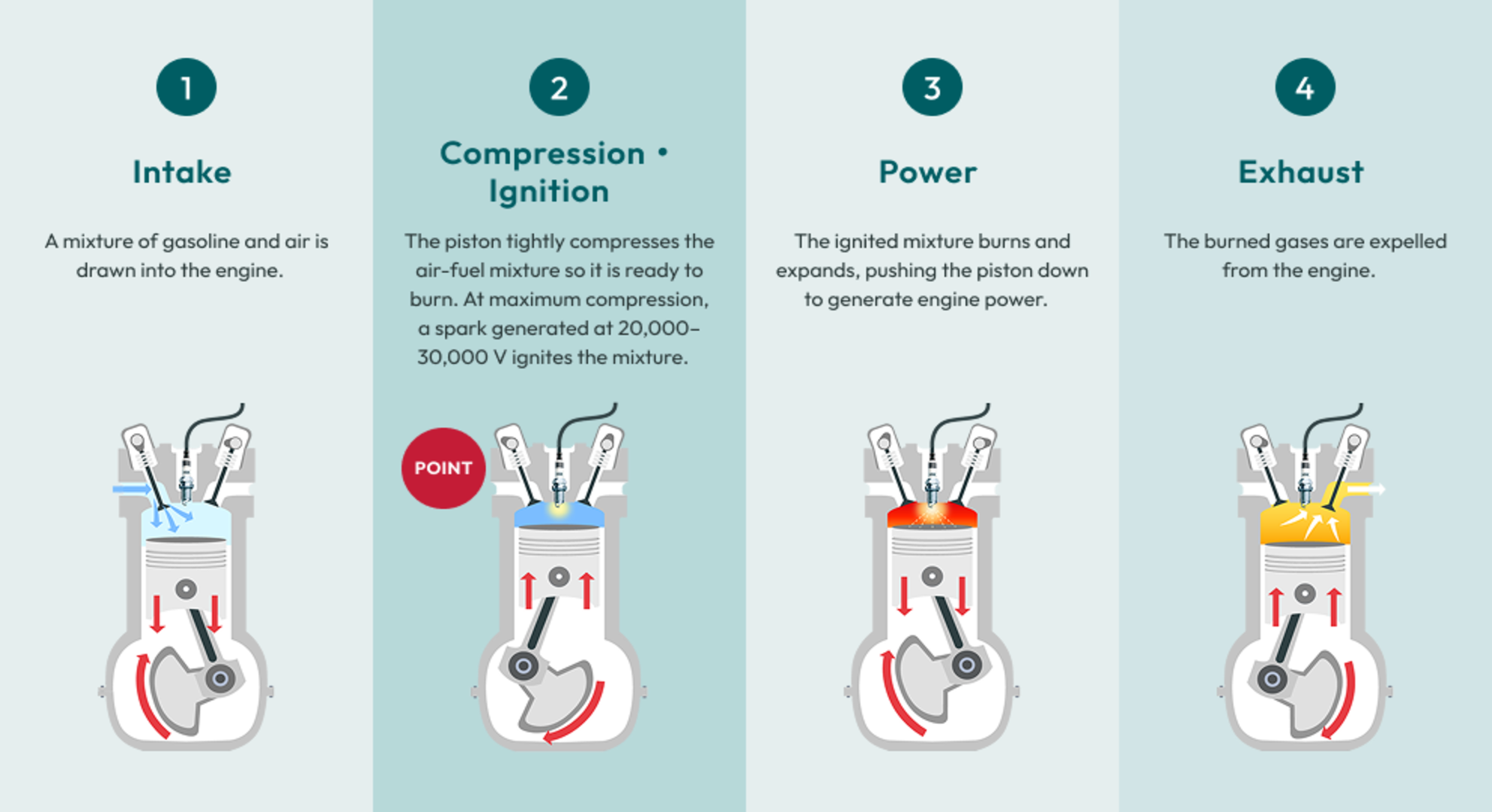
The function of a spark plug in an engine. The four processes are shown in the diagram. 1. Intake: A mixture of gasoline and air, called a "fuel-air mixture," is drawn into the engine. 2. Compression and Ignition: The piston compresses the mixture tightly to make it easier to explode, and at the moment of maximum compression, a spark generated by a voltage of 20,000 to 30,000 volts ignites it. This is the process in which the spark plug works. 3. Explosion and Expansion: The ignited mixture burns and expands, and the force pushes the piston down, generating power for the engine. 4. Exhaust: The burnt gases are expelled.

Product video

Product Introduction Video
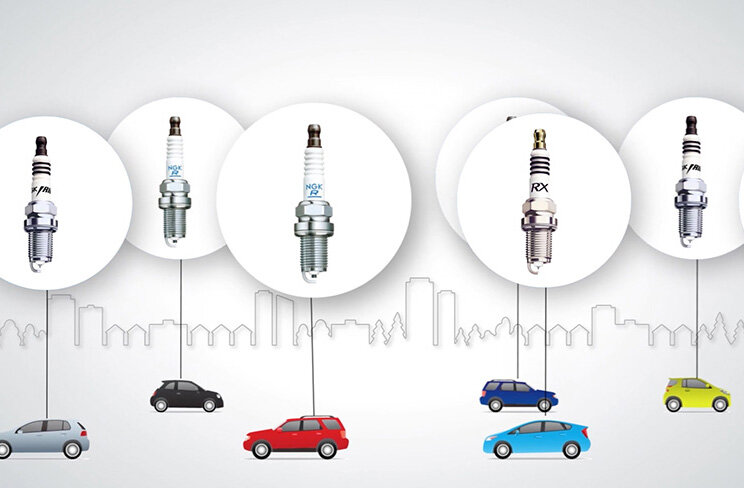
Spark plug product introduction video

Manufacturing process video

Spark plug manufacturing process video

For inquiries regarding this product, please contact us here.

Related Information